Best Time to Visit the Maldives in 2026
Complete guide to the best seasons and weather for your Maldives vacation
Read Time:8 min read
Last Updated:March 30, 2026
Category:Practical Tips
Beginner FriendlyFamilyHoneymoon
Overview
•The Maldives enjoys a tropical climate year-round, but deciding when to go to the Maldives depends entirely on your priorities: do you want flawless sunshine, or are you looking for the cheapest time to go to the Maldives? The islands experience two distinct seasons: the dry season (Northeast Monsoon) and the wet season (Southwest Monsoon).
🌞 Dry Season (December to April)
•This is the peak tourist season in the Maldives, characterized by clear skies, calm seas, and minimal rainfall.
•December to April offers the absolute best weather conditions: picture-perfect blue skies, flat-calm turquoise waters, and very low humidity. It is the peak season, which means it is the most expensive time to visit and resorts book up months in advance.
🌧️ Wet Season (May to November)
•The wet season brings more rainfall and occasional storms, but also offers unique advantages.
•Also known as the Maldives monsoon season, this period brings higher chances of rain and wind. However, it rarely rains all day. The massive upside? This is the best time to find massive resort discounts, fewer crowds, and arguably the best conditions for spotting large pelagics like Manta Rays.
Best Months by Activity
•Diving: March to April and September to November offer the best visibility and marine life encounters, with water temperatures around 28-30°C.
•Surfing: May to October provides the best waves, especially in the southern atolls.
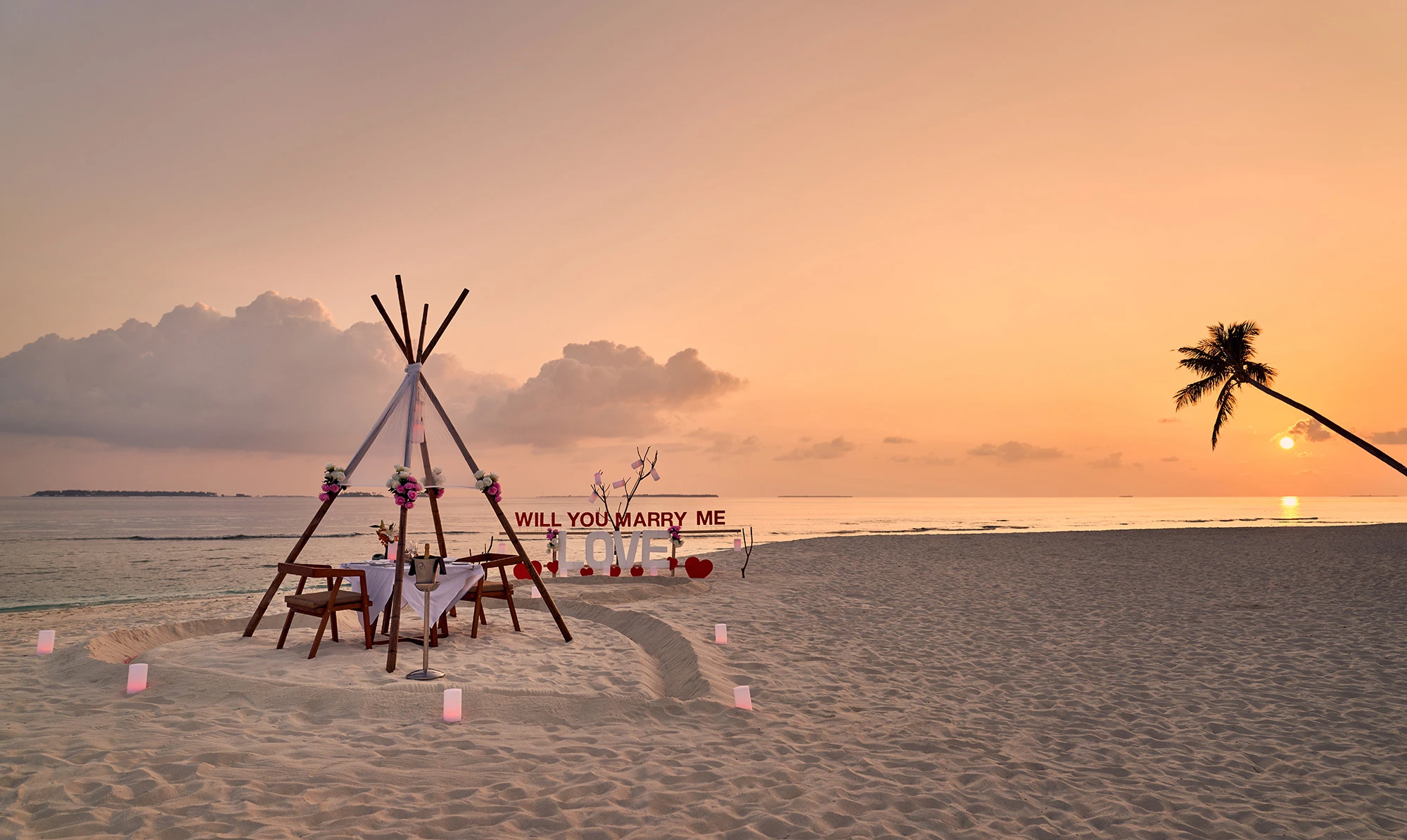
•Honeymoons: December to April ensures perfect weather for romantic getaways.
•Whale watching: November to April is the best time to see whale sharks.
•Manta ray viewing: Available year-round, but best from May to November in Hanifaru Bay.
Monthly Detailed Guide
•December-February: Peak season, highest prices, most stable weather, ideal for families and honeymoons.
•March-April: End of dry season, better value, excellent diving conditions.
•May-June: Start of wet season, prices drop, surfing season begins.
•July-August: Mid-wet season, European summer holidays, prices slightly increase.
•September-November: End of wet season, diving golden period, lowest prices.
Weather Patterns
•Temperatures remain consistent throughout the year, ranging from 25°C to 32°C (77°F to 90°F).
•Sea water temperature stays at 27-30°C year-round, perfect for water activities.
•Humidity levels are high year-round, typically around 80%.
•Rainfall varies significantly between seasons, with dry season (Dec-Apr) receiving 100-150mm monthly and wet season (May-Nov) reaching 200-300mm.
•UV index is high year-round, requiring sun protection measures.
Pricing and Booking Strategies
•Peak season (Dec-Apr): Highest prices, book 3-6 months in advance, 100% premium during Christmas and New Year.
•Low season (May-Nov): Prices drop 40-60%, best value in November and May.
•Best booking time: 3-6 months in advance for early bird discounts, last-minute deals possible in low season.
•Family travel: Avoid European school holidays (Jul-Aug), choose Mar-Apr or Oct-Nov instead.
Travel Tips
•Book early for peak season (December to April) as resorts fill up quickly.
•Consider shoulder seasons (November and May) for better prices and fewer crowds.
•Always check weather forecasts before planning water activities during the wet season.
Is the Maldives Rainy Season Really That Bad?
•One of the most common questions is whether traveling during the Maldives rainy season (May to November) will ruin a trip. The short answer: No.
•In the Maldives, rain usually falls in short, heavy afternoon or nighttime bursts, followed quickly by sunshine. While you may experience a day or two of overcast weather, you are still guaranteed warm 29°C (84°F) water and air temperatures. If you want to stay in a ,000/night luxury overwater villa for /night, traveling in June, September, or October is your best bet.
Related Guides
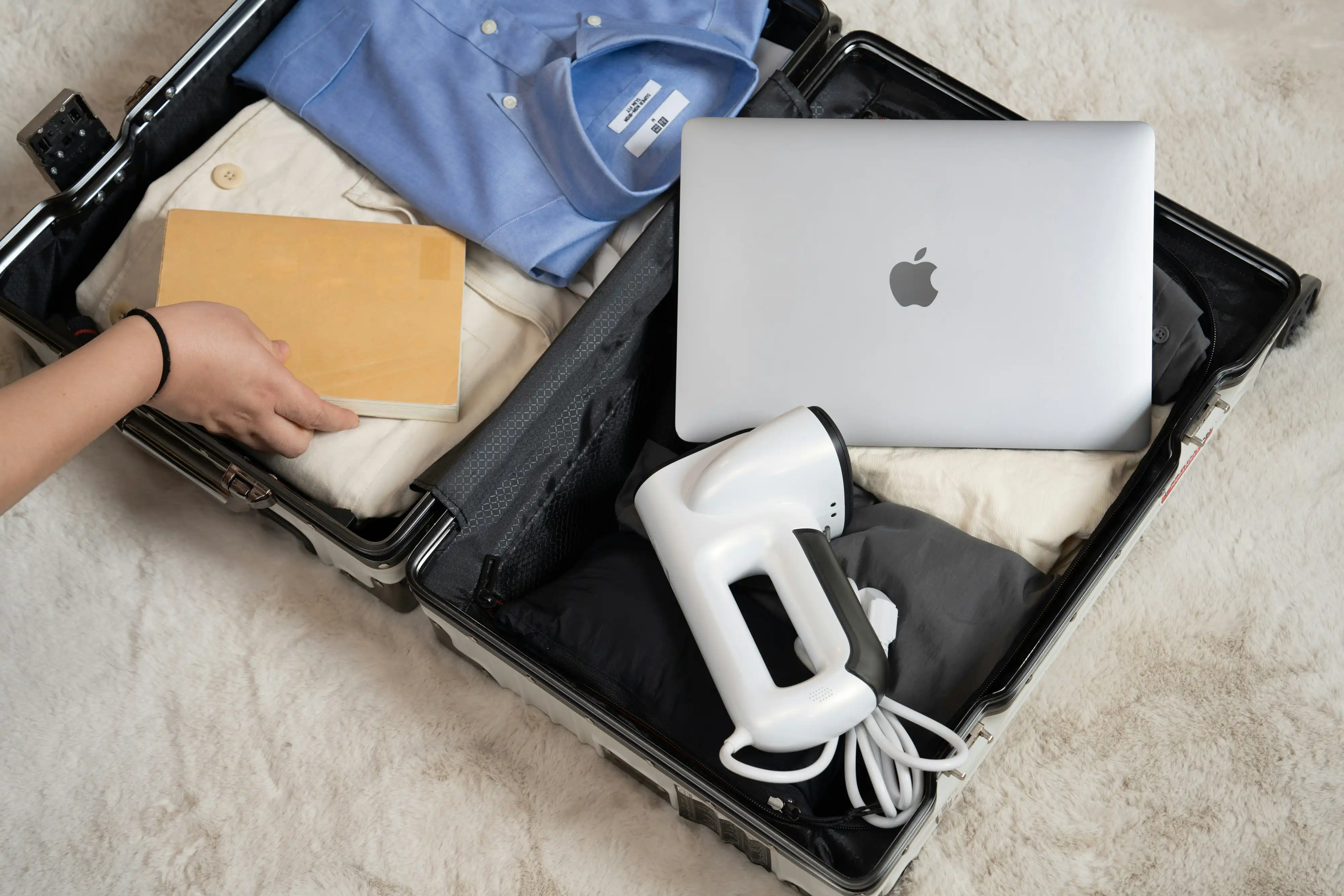
Maldives Packing List 2026: What to Bring and What Not to Pack
What to bring (and strictly avoid) for your Maldives vacation.
View Details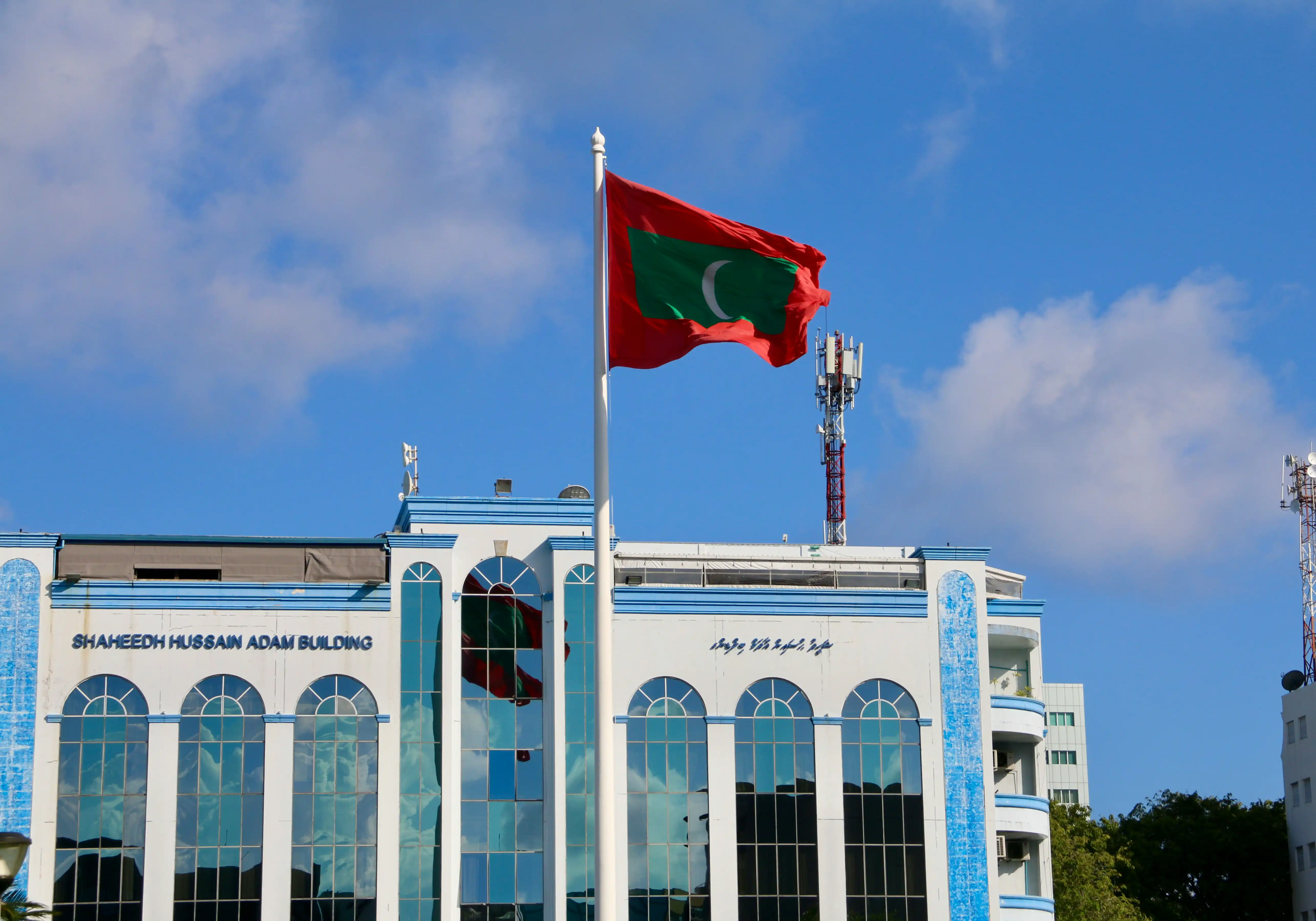
Maldives Cultural Rules and Etiquette 2026
Dress code, alcohol rules, and respecting local Islamic traditions.
View Details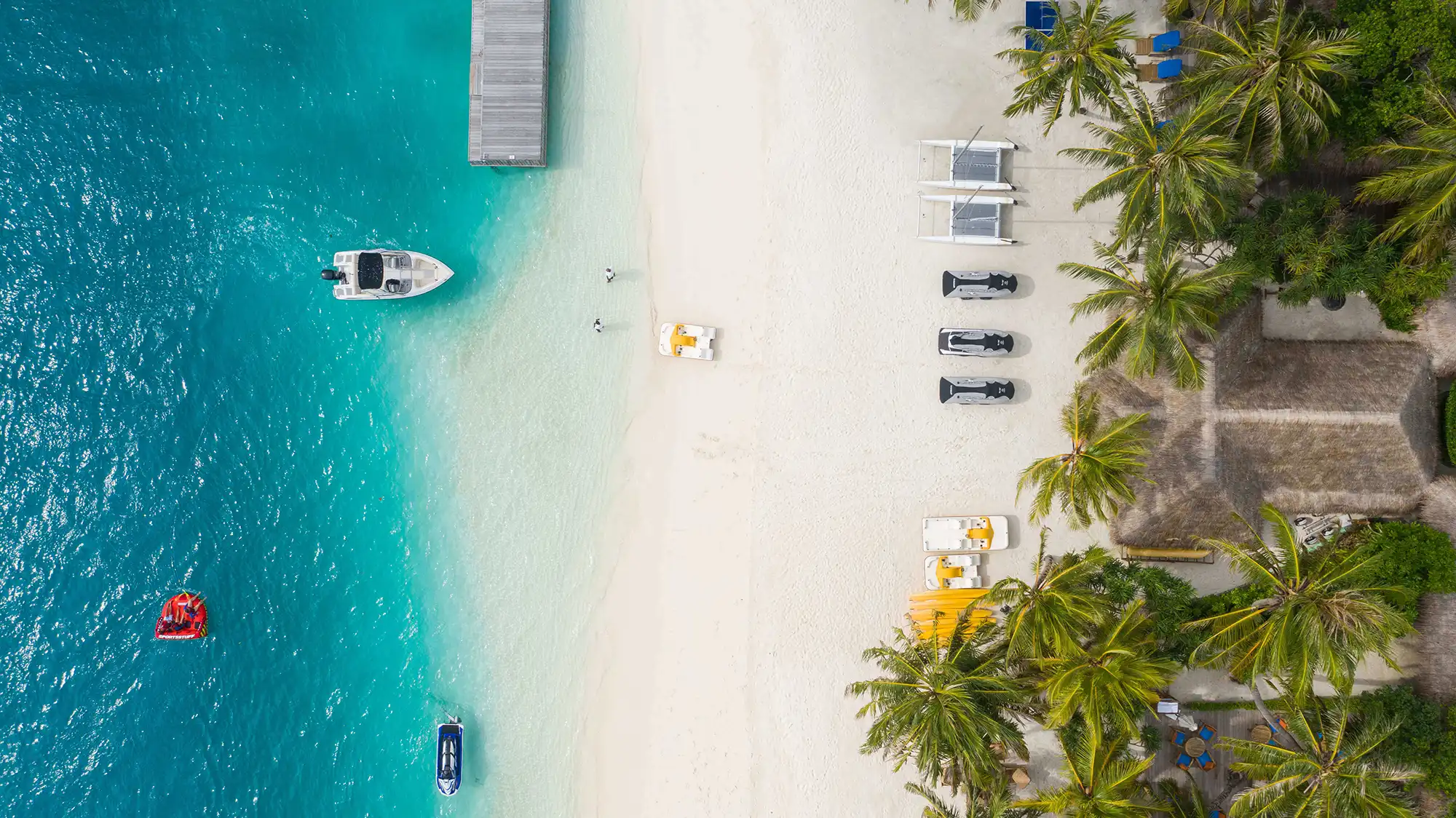
Maldives Water Activities 2026: Snorkeling, Diving and Tours
Snorkeling, diving, and must-do excursions in the Maldives.
View Details